Tips for Autumn

Staying Healthy
Hand washing
One of the most important ways to stay germ-free is to keep hands clean. Teach your child good hand washing technique, including using warm water and soap and lathering up all hand surfaces (between fingers and under rings too!) for at least 15-20 seconds (approximately the time it takes to sing “Happy Birthday”). In fact you can sing something along the lines of:
”I’m washing my hands, I’m washing my hands. I’m washing my hands. Now they’re nice and clean.”
Kids should wash their hands before they touch food, after they use the bathroom, play outdoors, blow their nose, and more frequently when they have a cold or cough. Be a good role model — wash your own hands at these times too as well as after you change a diaper or help with toileting, after cleaning a pet cage or litter box, before and after handling food, gardening, and so on.
There are plenty of instructional visuals available, such as the many downloadable illustrated posters on the internet or a YouTube video such as Crawford the Cat: Handwashing for Kids.
Doctors recommend soap and water over hand sanitizers like Purell. If hands are visibly dirty, or if there is dirt under the fingernails, instant hand sanitizers will be ineffective. Note also that with these sanitizers, you must rub all hand surfaces until it evaporates. Just pouring on a puddle and rubbing hands together once or twice does not work. Note also that most contain 60-90% alcohol and must be kept out of reach of children and pets at all times — and they should never be used with children who bite their nails or suck their thumbs. Avoid all products containing triclosan.
Boosting the immune system
Make sure your child is getting all of the nutrients his or her body needs to stay strong. Supplement with high-quality vitamins, and consult with your pediatrician or a nutritionist about ways to boost your child’s immune system naturally.
Staying home when sick
If your child might be ill — sniffly, sneezing, coughing, or has a fever or other obvious sign of illness, do not send him to school or daycare and encourage the same in other parents. If your child might be sick, cancel the session with your child’s therapist. Even if he might enjoy the session, the therapist and the other children on her caseload will appreciate it!
Dealing with vaccines
Consult with your pediatrician about which vaccines are absolutely necessary for your child. Ask the pediatrician for a titer test to see if your child has already developed immunity and does not require a booster. If you take your child to the pediatrician because he is sick, do NOT allow him to be vaccinated at that time because it is convenient. Wait until your child is feeling great and his immune system is strong again before vaccinating.
Quick Tips for Sinus Comfort
Are your sinuses bothering you? Between moldy fallen leaves, dry household heating, and cold/flu season, you and your child may wind up with clogged, swollen sinuses that make you both miserable. Here are a few quick tips:
- Use a plain, drug-free sterile saline nasal solution to rinse out and moisturize nasal passages and thin out the mucus. Try Simply Saline or Little Noses, available at most drugstores.
- Take a steambath and breathe deeply. Turn up the hot water, close the door, and enjoy the steam vapors. Great for the skin too!
- Use a humidifier in your bedroom or work area, being sure to keep it clean.
- Eucalyptus can help open up nasal passages. Sniff eucalyptus essential oil or on a tissue/handkerchief, or add eucalyptus oil or actual leaves to boiling water, turn off the stove, and breathe in the steam. Or try putting a few dabs of Vick’s VapoRub beneath your nostrils. It’s a very intense smell with a warm goopy feeling that you and your child will either love or hate.
- If you have chronic sinus problems, consider whether you might have food allergies or sensitivities that might contribute. Try eliminating ALL dairy for two weeks and see if that helps. Or try eliminating all wheat products for two weeks. Work with a nutritionist or allergist if you suspect food reactions.
Halloween
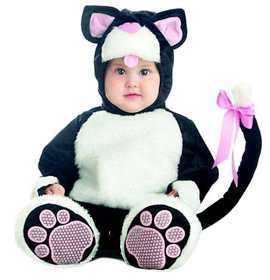
Halloween can be loads of fun for kids, but truly scary for others. Consider this:
-
Never force your child to wear a costume.
-
Let your child help select a costume, within reason, and depending on age. While you may love the idea of a bumblebee suit with wings and bobbing antennae, a silly shirt or a handheld prop such as a magic wand or light saber may be all that he can handle.
-
Wearing a mask may be intolerable. Let him wear a costume and hold the mask with him hands or skip it all together.
-
If costumed, make sure it’s something she can partially or fully remove on the sidewalk or at a party so she doesn’t have to go home if she becomes uncomfortable.
-
Now is a great time to experiment with face make-up as tactile exploration. However, bring baby wipes to remove it just in case.
-
Avoid sugar overload. Yes, this may be the one time of year you allow your child to fill up on candy, but don’t overdo it!
-
If attending a Halloween party, follow the party tips we outline in our book, Raising a Sensory Smart Child, including:
- Explain in advance what to expect at the party.
- Identify a “safe spot” to take breaks if needed to avoid sensory overload.
- Bring a comfort object or a hand fidget to get needed calming input.
© 2011 Lindsey Biel
Share this page: